 |
| INDUSTRIAL FORUM |
|
 |
| . |
|
|
Deji Akinwande
The University of Texas at Austin, USA
Keynote - Industrial Forum
Deji Akinwande is an Endowed Chair Professor at the University of Texas at Austin, and a Fellow of the IEEE, the MRS, the APS, and the AAS. His research focuses on 2D materials, pioneering device innovations from lab towards applications for which he is a Clarivate Highly Cited Researcher. He received the PhD degree from Stanford University.
Prof. Akinwande has been honored with the Fulbright Specialist Award, Bessel-Humboldt Research Award, the U.S Presidential PECASE award, the inaugural Gordon Moore Inventor Fellow award, etc. His research achievements have been featured by Nature news, Time and Forbes magazine, BBC, CNN, Wall Street Journal, and many media outlets. He serves as an Editor for ACS Nano. He was a past co-Chair of the Gordon Research Conference on 2D electronics. He co-authored a textbook on carbon nanotubes and graphene device physics by Cambridge University Press.
|
|
|
|
|
 |
| INDUSTRIAL FORUM |
|
|
| . |
|
|
Ahmed Al-Ostaz
The University of Mississippi/CGRI, USA
Invited - Industrial Forum
Ahmed Al-Ostaz, Ph.D., is the Brevard Family Chair and Professor of Civil Engineering and Director of the Center for Graphene Research and Innovation (CGRI) at the University of Mississippi. His training in civil and materials engineering and his leadership of CGRI focus on translating low-dimensional materials science into scalable solutions for infrastructure, with current work spanning graphene-modified asphalt, concrete composites, and membrane technologies in collaboration with industry and governmental partners.
|
|
|
|
|
 |
| WORKSHOP 5 |
|
|
| . |
|
|
Ruslan Alvarez
ICN2, Spain
Invited – Workshop 5: 2D Materials for Sensing, Biomedical Devices, and Healthcare Solutions
|
|
|
|
|
 |
| WORKSHOP 5 |
|
|
| . |
|
|
Kiana Aran
University of California Berkeley, USA
Invited – Workshop 5: 2D Materials for Sensing, Biomedical Devices, and Healthcare Solutions
Dr. Kiana Aran is an Associate Professor of Bioengineering and Medicine at the University of California San Diego. She is a pioneer at the intersection of semiconductors, biology, advancing bioelectronic precision medicine. She is also a co-founder of Cardea Bio and CRISPR QC, translating academic innovation into commercial platforms. Cardea Bio was later acquired by Paragraf, enabling global access to graphene-based biosensing technologies. Dr. Aran has received numerous prestigious honors, including the Sony Women in Technology Award with Nature. She is a Senior Member of the National Academy of Inventors and recipient of the Rutgers Distinguished Engineer Medal of Excellence. Her recognitions also include the Nature Research Award for Inspiring Women in Science and NSF CAREER Award. She has been named among Inc. Magazine’s Top 200 Female Founders and received multiple engineering and innovation awards. Her work is supported by NIH, NSF, DoD, NASA, and the Gates Foundation, reflecting broad national impact. Through her leadership in science and entrepreneurship, Dr. Aran is shaping the future of bioelectronics and scalable diagnostics.
|
|
|
|
|
 |
| WORKSHOP 8 |
|
|
| . |
|
|
José J. Baldoví
University of Valencia, Spain
Invited – Workshop 8: Spintronics and Magnetism in 2D Materials
José J. Baldoví is a Distinguished Researcher of Excellence GenT and leads the 2D Smart Materials Lab at the Institute of Molecular Science (ICMol) of the University of Valencia. His research group focuses on the development of efficient theoretical and computational frameworks for the design and modelling of emerging advanced materials from first principles. His interdisciplinary work integrates physics, chemistry and materials science to address challenges in magnonics, spintronics, quantum computing, catalysis and sensing devices.
His leadership has been widely recognized: Panel member in the ERC StG (2026), finalist in the prestigious TED Fellowship (2026), Young Researcher ‘Group Leader’ Award of the RSEQ (2025), Emerging Scientific Talent Award of the SCQ (2025), Full member of the Young Academy of Spain (2024), etc. He is a guarantor of the ‘María de Maeztu’ Excellence Unit and coordinator of the 2D materials strategic line at ICMol, Elected President of the Scientists of Excellence of the GenT Programme Society (AccenT), representative of Spain in the management committee in the COST Action SuperQumap. He also holds a Master in Science Communication, mastering the art of communicating complex scientific ideas to wider audiences
|
|
|
|
|
 |
| WORKSHOP 4 |
|
|
| . |
|
|
Emmanuel Baudin
Ecole Normale Supérieure, France
Invited – Workshop 4: Photonics, Plasmonics and Phononics
Emmanuel Baudin is associate professor at the École Normale Supérieure in Paris since 2012, and junior member of the Institut Universitaire de France. He obtained his PhD in physics in 2010. His research covers a range of topics including NMR, nonlinear optics, quantum optics and optoelectronics. Since 2015, Dr Baudin has focused on the experimental investigation of the fundamental mechanisms underlying two-dimensional material heterostructures for optoelectronic applications. His current work explores fundamental transport phenomena, energy exchange, and light-matter interactions in high-mobility graphene transistors.
|
|
|
|
|
 |
| INDUSTRIAL FORUM |
|
|
| . |
|
|
Francesco Bonaccorso
BeDimensional, Italy
Invited - Industrial Forum
Francesco Bonaccorso gained the PhD from the University of Messina. In 2009 he was awarded a Royal Society Newton International Fellowship at Cambridge University, and elected to a Research Fellowship at Hughes Hall, Cambridge, where he also obtained a MA. He is the Scientific Director of BeDimensional SpA and visiting Scientist at the Istituto Ital-iano di Tecnologia. He is author of 17 patent families and more than 200 publications that have been cited more than 40000 times. He was featured as 2016 Emerging Investigator by J. Mater. Chem. A and in 2019 by ChemPlusChem. In 2018 he was recognized as Highly cited Scientist by Clarivate Analytics. In 2019 he received the Magister Peloritanus by Ac-cademia Peloritana dei Pericolanti and ExAllievi Eccellenti by the University of Messina. He co-founded Cambridge Graphene Ltd and BeDimensional SpA.
|
|
|
|
|
 |
| INDUSTRIAL FORUM |
|
|
| . |
|
|
Vincent Bouchiat
Grapheal, France
Invited - Industrial Forum
Vincent Bouchiat is the CEO of Grapheal, a company spin-off from Neel Institute focusing on bioelectronic and healthcare applications of graphene. He is on leave from the French National Research Center (CNRS) at Grenoble, where he has a permanent position since 1997. He received an engineer degree from ESPCI in 1993 and a Master Degree from the University of Paris, Pierre & Marie Curie the same year. He has completed his Ph.D. on quantum devices at CEA-Saclay in 1997 under supervision of Michel Devoret and Daniel Estève. He got the Visiting Miller Professorship Award from University of California, Berkeley in 2007, and the Lee Hsun Research Award from the Chinese Academy of Sciences (2017). He co-authored more than 100 publications with over 4000 citations and hold 9 international patents.
|
|
|
|
|
 |
| WORKSHOP 1 |
|
|
| . |
|
|
Ivan Brihuega
Universidad Autonoma de Madrid, Spain
Invited – Workshop 1: Twistronics, Moiré Superlattices, Topological States, and Photonic Phenomena in 2DM
Ivan Brihuega’s research focuses on understanding the properties of nanoscale systems at the atomic level. He is a Professor in the Department of Condensed Matter Physics at the Autonomous University of Madrid (UAM), where he leads the Atom by Atom research group. His team develops scanning tunneling microscopes (STMs) tailored to a wide variety of experimental challenges. Currently, he is especially interested in exploring and manipulating graphene physics with atomic precision, investigating how electronic band gaps, magnetism, and superconductivity can be selectively introduced into specific regions of graphene layers.
|
|
|
|
|
 |
| WORKSHOP 8 |
|
|
| . |
|
|
Felix Casanova
CIC nanoGUNE, Spain
Invited – Workshop 8: Spintronics and Magnetism in 2D Materials
Felix Casanova is an Ikerbasque Research Professor at CIC nanoGUNE (San Sebastian, Basque Country, Spain). He obtained his Ph.D. in Physics from the University of Barcelona in 2004 and was a postdoctoral researcher at the University of California, San Diego from 2005 to 2009. Since 2009, he is coleader of the Nanodevices Group at CIC nanoGUNE, which currently has 30 members. His current research interests are focused on spintronics with metals, magnetic insulators, 2D materials, and altermagnets. His pioneering studies on spin-charge interconversion have led to an ongoing collaboration with Intel, world-leading microelectronics company. He has been distinguished two times (2020 and 2022) with the Outstanding Researcher Award by Intel.
|
|
|
|
|
 |
| WORKSHOP 7 |
|
|
| . |
|
|
Monica Craciun
University of Exeter, UK
Invited – Workshop 7: Energy and Environmental Applications
Prof. Monica Craciun is a Professor in Nanoscience and Nanotechnology at the University of Exeter, UK. She holds a PhD in Applied Physics from Delft University of Technology and has held research positions in the Netherlands, Japan, and the UK, including a prestigious JSPS fellowship at the University of Tokyo. She has authored over 250 publications in advanced materials and nanotechnology. Her research focuses on the science and engineering of two-dimensional (2D) materials for emerging technologies. Her work spans wearable energy harvesting systems, flexible electronics, and sensors for the Internet of Things, alongside fundamental studies of novel 2D materials and devices
|
|
|
|
|
 |
| WORKSHOP 2 |
|
|
| . |
|
|
Steven De Feyter
KU Leuven, Belgium
Invited – Workshop 2: Chemistry & Functionalization of 2D Materials
Steven De Feyter is a full professor in the Department of Chemistry at KU Leuven. His research group centers on surface functionalization and modification, with a strong emphasis on understanding how molecular and nanoscale structure governs function. Building on this structure–function relationship, the team designs and synthesizes advanced materials, including two-dimensional (2D) polymers, develops sensing platforms, and engineers functionalized 2D materials for applications such as catalysis. Guided by the principle “seeing is believing,” the group places visualization at (sub)molecular resolution at the core of its methodology. To achieve this, their research relies heavily on nanoscale characterization, particularly through advanced scanning probe microscopy techniques, enabling direct observation and precise control of molecular architectures at surfaces.
|
|
|
|
|
 |
| INDUSTRIAL FORUM |
|
|
| . |
|
|
Thoroh de Souza
Dreamtech nano, Brazil
Invited - Industrial Forum
Received in 1986 the B.S. degree in Physics from University of São Paulo (USP) and Sc.D. degree also in Physics from University of Campinas (Unicamp) in 1992. From 1992 to 1995, he was post-doc at the advanced photonics department at AT&T Bell Laboratories, Holmdel-NJ, involved in projects as "High speed soliton optical switching", "Optoelectrical quantum well device and optical image processing" and "Femtosecond wavelength division multiplexing". In 1996, he joined as professor the Physics Institute of University of Brasilia, Brasilia, DF, where he founded the Photonics Group. Since 2003 he is professor of Physics and Electrical Engineering at University of Mackenzie. His main interests are Graphene photonics and ultrafast sources for optical communications.
|
|
|
|
|
 |
| WORKSHOP 5 |
|
|
| . |
|
|
Lucia Gemma Delogu
Khalifa Univ & Univ of Padua, United Arab Emirates/Italy
Invited – Workshop 5: 2D Materials for Sensing, Biomedical Devices, and Healthcare Solutions
Prof. Lucia Gemma Delogu is an Associate Professor at Khalifa University of Science and Technology, Abu Dhabi, and Head of the Immune-Nanolab at the University of Padua, Italy. In 2024, she was awarded the prestigious ERC Advanced Grant (€2.5M) for the project BIO-MX. Her research bridges materials chemistry, immunology, and nanobiotechnology, with a focus on 2D nanomaterials. From 2006 to 2010, she carried out postdoctoral training at the University of Southern California and the Sanford-Burnham Institute, USA. She served as Assistant Professor at the University of Sassari before joining Padua as Associate Professor in 2019. Since 2010, she has coordinated multiple EU-funded projects with 20+ partners worldwide, securing over €6M in funding. Her achievements include the Marie Curie Fellowship, recognition among Italy’s “200 Best Young Talents”, and the NIH Bedside-to-Bench Award. Her research is widely published in top journals such as Nature Nanotechnology, Advanced Materials, Nature Communications, Nano Today, and ACS Nano.
|
|
|
|
|
 |
| WORKSHOP 4 |
|
|
| . |
|
|
Aymeric Delteil
UVSQ / CNRS, France
Invited – Workshop 4: Photonics, Plasmonics and Phononics
Aymeric Delteil is a CNRS researcher at the GEMaC laboratory (Université Paris-Saclay/UVSQ), where he started his activities in 2019 on experimental quantum optics in the solid state. He previously held a postdoctoral position at ETH Zürich, studying quantum networks based on quantum dots and the quantum properties of exciton-polaritons. His current research focuses on experimental quantum optics in wide-bandgap materials, particularly hexagonal boron nitride (hBN). He develops methods for top-down fabrication of color centers in hBN, explores their integration into photonic structures for scalable quantum photonics, and investigates their use in advanced quantum optics experiments aimed at enabling future quantum technologies.
|
|
|
|
|
 |
| WORKSHOP 8 |
|
|
| . |
|
|
Bruno Dlubak
CNRS-Thales, France
Invited – Workshop 8: Spintronics and Magnetism in 2D Materials
Bruno Dlubak, a CNRS researcher since 2014, is affiliated with the Laboratoire Albert Fert, a joint CNRS-Thales research lab at Thales Research and Technology (TRT) within Université Paris-Saclay, France. He earned his PhD degree in 2011 from Université Paris-Sud, specializing in Graphene Spintronics. His current interests revolve around exploring 2D materials (including graphene, h-BN, 2D semiconductors, 2D magnetic materials) as well as their van der Waals heterostructures, for electronics and spintronics devices quantum engineering at nano-scales. This research addresses in particular spin-dependent injection and transport in nanostructures, highlighting interfacial phenomena such as spin filtering effects and spin-dependent hybridizations
|
|
|
|
|
 |
| INDUSTRIAL FORUM |
|
|
| . |
|
|
Nick Duinslaeger
Graphec Water Solutions, Spain
Invited - Industrial Forum
Nick Duinslaeger is a scientist and entrepreneur focused on innovative water treatment solutions. He holds an MSc in Catalytic Science and Technology from the Catholic University of Leuven and before embarking on his scientific career, Nick worked as a project manager at Veolia Water Technologies, where he was responsible for the design and engineering of wastewater treatment plants across the Benelux region. He later joined Médecins Sans Frontières (Doctors Without Borders) as a Technical Referent in Environmental Health, overseeing interventions in water supply, disease prevention, waste management, hygiene, and infection control in medical projects worldwide. Driven by a passion for innovation and environmental sustainability, Nick pursued a PhD focused on the development of novel anode materials and nano-electrochemical systems for wastewater treatment. His research centered on the degradation of persistent contaminants, particularly poly- and perfluoroalkylated substances (PFAS), which pose significant environmental and health risks. Building on his expertise, Nick co-founded GRAPHEC, where he now serves as CEO. The company is committed to revolutionizing water treatment through cutting-edge graphene-enabled electrochemical processes designed to efficiently remove PFAS. Under his leadership, GRAPHEC is at the forefront of sustainable water treatment solutions, bridging the gap between scientific research and real-world environmental impact.
|
|
|
|
|
 |
| WORKSHOP 8 |
|
|
| . |
|
|
Anna Dyrdal
Adam Mickiewicz Univeristy in Poznań, Poland
Invited – Workshop 8: Spintronics and Magnetism in 2D Materials
Anna Dyrdał is a theoretical condensed-matter physicist working in the fields of spintronics, mesoscopic physics, and low-dimensional quantum materials. Her research focuses on spin–orbit–driven transport phenomena, magnetotransport, and topological effects in graphene-based systems, van der Waals heterostructures, and topological insulators. Her work aims at identifying physical mechanisms relevant for next-generation spintronic and nanoelectronic devices. She obtained her PhD in 2013 and habilitation in 2020 at Adam Mickiewicz University in Poznań. She gained international research experience at Martin Luther University Halle-Wittenberg (Germany) and through fellowships at CNRS/Thales (Université Paris-Saclay, France) and at the Universidad del País Vasco in Bilbao (Spain).
She is an Associate Professor and Head of the Mesoscopic Physics Department at the Faculty of Physics and Astronomy of Adam Mickiewicz University in Poznań, and a member of the Polish Young Academy of the Polish Academy of Sciences.
|
|
|
|
|
 |
| KEYNOTE |
|
|
| . |
|
|
Xinliang Feng
TU Dresden & Max Planck Institute of Microstructure Physics, Germany
Keynote – Plenary Session
Prof. Feng is a full professor and the head of the Chair of Molecular Functional Materials at Technische Universität Dresden. He has published more than 510 research articles which have attracted more than 62700 citations with H-index of 119 (Google Scholar). He has been awarded several prestigious prizes such as IUPAC Prize for Young Chemists (2009), European Research Council (ERC) Starting Grant Award (2012), Journal of Materials Chemistry Lectureship Award (2013), ChemComm Emerging Investigator Lectureship (2014), Fellow of the Royal Society of Chemistry (FRSC, 2014), Highly Cited Researcher (Thomson Reuters, 2014-2019), Small Young Innovator Award (2017), Hamburg Science Award (2017), EU-40 Materials Prize (2018), ERC Consolidator Grant Award (2018). He is a member of the European Academy of Sciences (2019) and member of the Academia Europaea (2019). He is an Advisory Board Member for Advanced Materials, Chemical Science, Journal of Materials Chemistry A, ChemNanoMat, Energy Storage Materials, Small Methods, Chemistry -An Asian Journal, Trends in Chemistry, etc. He is the Head of ESF Young Research Group "Graphene Center Dresden", Working Package Leader of WP Functional Foams & Coatings for European Commission’s pilot project “Graphene Flagship”, and spokesperson for the DFG Collaborative Research Center for the Chemistry of Synthetic 2D Materials.
|
|
|
|
|
 |
| INDUSTRIAL FORUM |
|
|
| . |
|
|
Andrea Ferrari
Cambridge Graphene Centre / University of Cambridge, UK
Keynote - Industrial Forum
Andrea C. Ferrari earned a PhD in electrical engineering from Cambridge University, after a Laurea in nuclear engineering from Politecnico di Milano, Italy. He is Professor of Nanotechnology and the Director of the Cambridge Graphene Centre and of the EPSRC Centre for Doctoral Training in Graphene Technology. He is Fellow of Pembroke College, the American Physical Society, the Institute of Physics and the Materials Research Society. His research interests include nanomaterials growth, modelling, characterization, and devices. He was awarded the Royal Society Brian Mercer Award for Innovation, the Marie Curie Excellence Award, the Philip Leverhulme Prize, The EU-40 Materials Prize, The Royal Society Wolfson Research Merit Award. He is also the Chairman of the Executive Board of the EU Graphene Flagship
|
|
|
|
|
 |
| KEYNOTE |
|
|
| . |
|
|
Elvira Fortunato
NOVA University Lisbon, Portugal
Keynote – Plenary Session
Elvira Fortunato has a career distinguished by scientific, academic, and political leadership, with recognized impact both nationally and internationally. She holds a PhD in Microelectronics and is a pioneer in the field of transparent electronics, being the inventor of the first paper transistor. She is currently the most cited researcher at NOVA University Lisbon.
She has held high-level responsibilities, notably serving as Minister of Science, Technology and Higher Education, a role in which she promoted policies to bring science, higher education, and national priorities closer together. She led structural reforms such as the revision of the funding model for higher education institutions, the creation of specific quotas for low-income students (tier A), and the launch of the FCT-Tenure program, which fostered stability in scientific careers. She also coordinated the National Semiconductor Strategy, positioning Portugal within the EU Chips Act framework.
As Vice-Rector for Research at NOVA, she led a structural transformation in the university’s research support system, established the Strategic Council for Science, created the NOVA Science journal and NOVA Science Day, and restructured the Research Support Office to focus on scientific strategy, project management, and research information systems. During this time, she also championed gender equality, coordinating the SPEAR project and founding the Office for Equality and Inclusion.
|
|
|
|
|
 |
| INDUSTRIAL FORUM |
|
|
| . |
|
|
Jose Antonio Garrido
ICREA/ICN2, Spain
Keynote - Industrial Forum
Jose A. Garrido is an ICREA Research Professor at the Catalan Institute of Nanoscience and Nanotechnology (ICN2) and head of the Advanced Electronic Materials and Devices group. He received a master and PhD degree in Telecommunication Engineering from the Polytechnic University of Madrid, and a habilitation degree by the Technical University of Munich. His research interest focuses on aspects of the science and technology of novel electronic materials, with a strong emphasis on 2D materials such as graphene and MoS2, as well as in the application of these materials to bioelectronics and neural interfaces. He participates in major national and European projects and efforts to explore the development of novel neural interfaces for biomedical applications. Jose Garrido is co-founder of INBRAIN Neuroelectronics, where he is now the Chief Scientific Officer.
|
|
|
|
|
 |
| PLENARY |
|
|
| . |
|
|
Andre Geim
University of Manchester, UK
Plenary Talk
Andre Geim is a member of the British, Chinese, and American academies of sciences, among others, and the recipient of numerous international honours. His research is among the most cited, with nearly 50 papers exceeding 1,000 citations and ten surpassing 10,000. He holds the unique distinction of being the only person to have received both a Nobel Prize (for graphene) and an Ig Nobel Prize (for diamagnetic levitation). He has been knighted by both the Dutch and British monarchs.
|
|
|
|
|
 |
| INDUSTRIAL FORUM |
|
|
| . |
|
|
Hugh Glass
Paragraf Ltd., UK
Invited - Industrial Forum
Dr Hugh Glass leads Product management at Paragraf, with wide ranging responsibilities including product strategy, ensuring the product vision matches market requirements and overseeing product life from idea through to market. Having worked on the technology since its infancy, starting as a scientist when Paragraf was first spun out of The University of Cambridge, Hugh has a deep knowledge of the technology and its potential, which is now being applied in a more commercial role. Previously Hugh achieved his PhD through the Nano Doctoral Training Centre at the University Cambridge, an interdisciplinary course covering chemistry, physics and engineering, focusing on the growth and characterisation of novel battery electrode materials.
|
|
|
|
|
 |
| WORKSHOP 7 |
|
|
| . |
|
|
Pedro Gómez-Romero
ICN2, Spain
Invited – Workshop 7: Energy and Environmental Applications
Prof. Pedro Gómez-Romero completed his BS and MS in Chemistry at the Universitat de València (Spain), before going on to earn his PhD in chemistry with distinction at Georgetown University (USA) in 1987. A CSIC researcher since 1990, he worked at the Institut de Ciència de Materials de Barcelona (ICMAB) from 1990 to 2007, spending a sabbatical year as a NATO Senior Research Fellow at the National Renewable Energy Laboratory (USA) in 1998-99. In 2007 he moved to the former Nanoscience and Nanotechnology Research Centre (CIN2) as group leader of the NEO-Energy lab. When CIN2 became ICN2 in 2013, Prof. Gómez-Romero became group leader of the Novel Energy-Oriented Materials Group, heading up projects on hybrid organic-inorganic nanostructures, nanocomposite materials for energy storage and conversion.
|
|
|
|
|
 |
| WORKSHOP 5 |
|
|
| . |
|
|
Anton Guimerà-Brunet
IMB-CNM / CSIC, Spain
Invited – Workshop 5: 2D Materials for Sensing, Biomedical Devices, and Healthcare Solutions
Anton Guimerà‑Brunet is Lead of the Advanced Neural Interfaces line at the Institute of Microelectronics of Barcelona (IMB‑CNM, CSIC) and of the Biomonitoring Group at CIBER‑BBN. His research focuses on the development of graphene‑based neural interfaces, particularly graphene solution‑gated field‑effect transistors (gSGFETs) for high‑resolution, full‑bandwidth brain activity recording. He has contributed significantly to the advancement and in vivo validation of flexible graphene microtransistor arrays for neuroscience. He is also co‑founder of INBRAIN Neuroelectronics, supporting the translation of graphene neurotechnologies toward clinical use. His work bridges materials science, neural engineering, and translational neurotechnology, with the goal of enabling next‑generation diagnostic and therapeutic tools for brain disorders.
|
|
|
|
|
 |
| WORKSHOP 4 |
|
|
| . |
|
|
Taewoo Ha
Korea National University of Education, South Korea
Invited – Workshop 4: Photonics, Plasmonics and Phononics
Taewoo Ha, experimental physicist working on terahertz spectroscopy of quantum materials, earned his M.S. and Ph.D. in Physics from Yonsei University. After his doctorate, he worked as a postdoctoral researcher at Yonsei University (2015–2017) and later served as a Research Professor at the IBS Center for Integrated Nanostructure Physics at Sungkyunkwan University (2017–2024). He subsequently worked as a Team Leader at the IBS Center for 2D Quantum Heterostructures and Senior Researcher at Sungkyunkwan University. Since March 2026, he has been an Assistant Professor in the Department of Physics Education at Korea National University of Education. His research focuses on terahertz (THz) imaging spectroscopy for quantum materials, exploring low-energy excitations and visualizing charge and spin-wave dynamics in real space. By developing advanced THz spectroscopic imaging techniques, he studies quantum phenomena in condensed matter across spatial, temporal, and spectral domains
|
|
|
|
|
 |
| INDUSTRIAL FORUM |
|
|
| . |
|
|
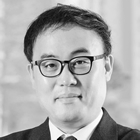
Kari Hjelt
Chalmers Industriteknik, Sweden
Invited - Industrial Forum
Kari Hjelt is a senior European innovation and industrialisation executive with over 25 years of experience translating frontier research into industrial and commercial impact at scale. He currently serves as Director at Chalmers Industriteknik, where he leads innovation initiatives focused on advanced materials and semiconductor-adjacent technologies. He is Vice Director of the Swedish Chips Competence Center, contributing to national and European semiconductor strategy under the EU Chips Act, and Head of Industrialisation for the EU Graphene Flagship’s lead coordination action. Previously, Kari was Head of Innovation and a member of the Executive Board of the €1B EU Graphene Flagship. During his tenure, the initiative generated 346 patent applications, created 20 spin-offs raising over €475M, and contributed an estimated €5.9B in gross value added to the European economy, delivering a 14.5× return on public investment. Earlier in his career, Kari held senior leadership roles at Nokia for over a decade, including Director, General Manager, and CTO positions across research, ventures, and emerging business units. He has also founded and led deep-tech startups and served as chairman and board member in early-stage companies. Kari holds a Dr.Tech in engineering physics, an Executive MBA from London Business School, and has published on technology commercialisation in Nature Electronics and Nature Nanotechnology. He is recognised for his ability to operate at the intersection of science, industry, and policy, and for building innovation systems that deliver measurable industrial impact.
|
|
|
|
|
 |
| INDUSTRIAL FORUM |
|
|
| . |
|
|
Byung Hee Hong
Seoul National University / GrapheneSquare Inc, South Korea
Keynote - Industrial Forum
Byung Hee Hong (b. 1971) received the BS (1998), MS (2000) and PhD (2002) degrees in chemistry from POSTECH in Korea. After spending 3.5 years as a postdoctoral researcher at the Columbia University (Advisor: Philip Kim), he joined the Department of Chemistry, Sungkyunkwan University (SKKU) as an Assistant Professor, in 2007. Now, he is a Full Professor in the Department of Chemistry at Seoul National Univ. as of Mar. 1, 2017.
|
|
|
|
|
 |
| INDUSTRIAL FORUM |
|
|
| . |
|
|
Jose Hugo Garcia
Apeiron / ICN2, Spain
Invited - Industrial Forum
|
|
|
|
|
 |
| INDUSTRIAL FORUM |
|
|
| . |
|
|
Cedric Huyghebaert
Black Semiconductor, Germany
Invited - Industrial Forum
Cedric Huyghebaert is currently Chief Technology Officer at Black Semiconductor, a German start-up that aims to develop technology to inspire the semiconductor world to rethink data transfer in advanced computing systems. He got his master degree in Physics from the UGhent. He started in 1999 as a junior researcher in the Materials and Component Analyses group at imec. He received his PhD in Physics in 2006 at the KULeuven in Belgium. In 2005 he joined imecs pilot line as a support integration engineer. He was part of the packaging group from end 2007 till begin 2010, working as a senior integration engineer dealing with 3D-stacked IC integration. From 2010 to 2019, he led the nano-applications and –material engineering (NAME) group at imec. He guided the transition for 2D materials from lab to fab. From 2019 to 2022 he worked as Program manager of exploratory processes and modules, dealing with material exploration and early module integration for functional applications. He was the technical lead of the 2D experimental Pilot line division in the Graphene Flagship. He (co-)authored more than 250 journal and conference papers.
|
|
|
|
|
 |
| INDUSTRIAL FORUM |
|
|
| . |
|
|
Francesca Iacopi
, USA
Invited - Industrial Forum
Francesca Iacopi is an IEEE and MRS Fellow with over 20 years’ industrial and academic expertise in semiconductor technologies spanning interconnects, devices and packaging. Her focus is the translation of basic scientific advances in nanomaterials and novel device concepts into implementable integrated technologies. She is known for her seminal work on the integration of porous dielectrics in on-chip interconnects, and for the invention of the alloy -mediated epitaxial graphene platform on SiC on silicon wafers. She was recipient of an MRS Gold Graduate Student Award (2003), an Australian Research Council Future Fellowship (2012), a Global Innovation Award in Washington DC (2014) and was listed among the most innovative engineers by Engineers Australia (2018). She serves as the inaugural Editor-in-Chief of the IEEE Trans. on Materials for Electron Devices. In 2024, she left her tenured professorship at the University of Technology Sydney to join imec USA as the inaugural Director of the Imec Indiana R&D Center based at Purdue University, IN, USA.
|
|
|
|
|
 |
| WORKSHOP 3 |
|
|
| . |
|
|
Seongil Im
Yonsei University, South Korea
Invited – Workshop 3: Emerging 2D Materials Beyond Graphene
Seongil Im, device physicist, earned his BS from MSE dept. at Yonsei University in 1984, and Ph.D from MSE at UC Berkeley in 1994. Then he worked as a research fellow at CALTECH till 1996. He joined physics dept. at Yonsei Univ. in 1997. His research covers thin-film and low dimensional electronics for oxide, organics, nanowire, and 2D sheet, also including photon-probing on working devices. He has been awarded as Underwood Distinguished Professor and Director of van der Waals Materials Research Center at Yonsei. Working on device physics area, he has published more than ~300 peer-review journal papers including Applied Physics Letters, Advanced Materials, Advanced Functional Materials, Small, Nano Today, ACS Nano, Nano Letters, Nature Communications, Nano Energy, Sci. Adv., and IEEE Electron Device Letters, etc.
|
|
|
|
|
 |
| WORKSHOP 5 |
|
|
| . |
|
|
Mariana Ionita
University Politehnica of Bucharest, Romania
Invited – Workshop 5: 2D Materials for Sensing, Biomedical Devices, and Healthcare Solutions
|
|
|
|
|
 |
| PLENARY |
|
|
| . |
|
|
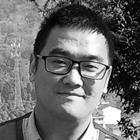
Pablo Jarillo-Herrero
MIT, USA
Plenary Talk
Professor Jarillo-Herrero’s research interests lie in the area of experimental condensed matter physics, in particular quantum electronic transport and optoelectronics in novel two-dimensional materials, with special emphasis on investigating their superconducting, magnetic, and topological properties.
Pablo Jarillo-Herrero is currently Cecil and Ida Green Professor of Physics at MIT. He received his “Licenciatura” in physics from the University of Valencia, Spain, in 1999. Then he spent two years at the University of California in San Diego, where he received a M.Sc. degree before going to the Delft University of Technology in The Netherlands, where he earned his Ph.D. in 2005. After a one-year postdoc in Delft, he moved to Columbia University, where he worked as a NanoResearch Initiative Fellow. He joined MIT as an assistant professor of physics in January 2008 and received tenure in 2015. He was promoted to Full Professor of Physics in 2018. His awards include the Spanish Royal Society Young Investigator Award (2006), an NSF Career Award (2008), an Alfred P. Sloan Fellowship (2009), a David and Lucile Packard Fellowship (2009), the IUPAP Young Scientist Prize in Semiconductor Physics (2010), a DOE Early Career Award (2011), a Presidential Early Career Award for Scientists and Engineers (PECASE, 2012), an ONR Young Investigator Award (2013), and a Moore Foundation Experimental Physics in Quantum Systems Investigator Award (2014). Prof. Jarillo-Herrero has been selected as a Highly Cited Researcher by Clarivate Analytics-Web of Science (2017-present), and was elected APS Fellow (2018), Fellow of the Quantum Materials Program of the Canadian Institute for Advanced Research (CIFAR, 2019), and Member at Large of the APS Division of Condensed Matter Physics (2019). Prof. Jarillo-Herrero is the recipient of the APS 2020 Oliver E. Buckley Condensed Matter Physics Prize, the 2020 Wolf Prize in Physics, the 2020 Medal of the Spanish Royal Physics Society, the 2021 Lise Meitner Distinguished Lecture and Medal, the 2021 Max Planck Humboldt Research Award, and the 2021 US National Academy of Sciences Award for Scientific Discovery. He became elected to the US National Academy of Sciences in 2022.
|
|
|
|
|
 |
| WORKSHOP 10 |
|
|
| . |
|
|
Song Jiang
Institut de Physique et Chimie des Matériaux de Strasbourg, France
Invited – Workshop 10: Nanographenes: Design, Synthesis, and Functional Properties
Song Jiang received his PhD in Physics in 2016 from the University of Science and Technology of China (USTC), where he advanced subnanometer-resolution tip-enhanced Raman spectroscopy (TERS) under the supervision of Prof. Zhenchao Dong. He then carried out postdoctoral research at Northwestern University with Prof. Richard P. Van Duyne, focusing on electrochemical TERS (EC-TERS). He is currently a Research Engineer at IPCMS-CNRS (Strasbourg), where he works with Guillaume Schull on the development of optical scanning tunneling microscopy (STM).
Song Jiang develops advanced STM-based spectroscopies, including STM-induced electroluminescence (STML) and tip-enhanced optical techniques, to explore light–matter interactions and optoelectronic properties at the single-molecule level. His current research focuses on excitonic and charge dynamics in atomically precise nanographenes and graphene nanoribbons.
|
|
|
|
|
 |
| INVITED |
|
|
| . |
|
|
Ado Jorio
INL, Portugal
Invited – Plenary Session
Ado Jorio is the Deputy General Director of INL. He works with research and development of scientific instrumentation in optics for the study of nanostructures with applications in new materials and biomedicine. He earned a doctoral degree in physics from the Universidade Federal de Minas Gerais (UFMG, Brazil), working with phase transitions in incommensurate systems, followed by a postdoctoral period at MIT, USA, working with optical properties of nanomaterials, focusing on Raman spectroscopy and optical properties of carbon nanomaterials. He was visiting Prof. at ETH, Zurich and Freie Universitat, Berlin.
|
|
|
|
|
 |
| INVITED |
|
|
| . |
|
|
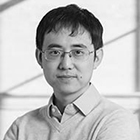
Long Ju
MIT, USA
Invited – Plenary Session
Long Ju is currently the Lawrence C. and Sarah W. Biedenharn Associate Professor of Physics in the Physics Department of Massachusetts Institute of Technology. In recent two years, his group discovered that simple crystalline graphene can unify fractional quantum Hall effect and superconductivity, both in very unconventional settings. He joined the MIT Physics Department as an assistant professor in January 2019. He received his B.S. in Physics in 2009 from Tsinghua University, China, and his Ph.D. in Physics in 2015 from the University of California, Berkeley. He then moved to Cornell University, where he was a Kavli postdoctoral fellow until December 2018.
|
|
|
|
|
 |
| WORKSHOP 9 |
|
|
| . |
|
|
Ute Kaiser
Ulm University, Germany
Invited – Workshop 9: Advanced Characterization of 2DM and heterostructures
Ute Kaiser is head of the Materials Science Electron Microscopy Facility at Ulm University, Germany. She received her doctoral degree from the Institute of Physics at Humboldt University Berlin, in 1993 and her habilitation in experimental physics from the Friedrich Schiller University Jena, in 2002, working on thin SiC films and low-dimensional structures in SiC using advanced transmission electron microscopy. Since 2004 she is a full professor at Ulm University. Currently, her main focus is the development of high-resolution low-voltage transmission electron microscopy for understanding properties of low-dimensional materials from the scale of single atoms.
|
|
|
|
|
 |
| WORKSHOP 8 |
|
|
| . |
|
|
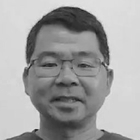
Roland Kawakami
The Ohio State University, USA
Invited – Workshop 8: Spintronics and Magnetism in 2D Materials
Roland Kawakami is a professor in the Department of Physics at The Ohio State University. He received his Bachelor Degrees in Physics and in Electrical Engineering from the University of Pennsylvania, and his Ph.D. in Physics from the University of California, Berkeley. He is a Fellow of the American Physical Society (APS) and the American Association for the Advancement of Science (AAAS).
|
|
|
|
|
 |
| KEYNOTE |
|
|
| . |
|
|
Frank Koppens
ICFO, Spain
Keynote – Plenary Session
Prof. Frank Koppens is group leader at the Institute of Photonic Sciences (ICFO). The quantum nano-optoelectronics group of Prof. Koppens focuses on both science and technology of novel two-dimensional materials and quantum materials. Koppens has received the ERC starting grant, the ERC consolidator grant, and five ERC proof-of-concept grants. Other awards include the Christiaan Hugyensprijs 2012, the national award for research in Spain, the IUPAP young scientist prize in optics, and the ACS photonics investigator award. Since 2018 Koppens is on the Clarivate list for highly cited researchers, in the physics category. Koppens has been elected as fellow of the American Physical Society in 2022. In total, Koppens has published more than 120 refereed papers (H-index 69).
|
|
|
|
|
 |
| WORKSHOP 4 |
|
|
| . |
|
|
Roshan Krishna Kumar
ICN2, Spain
Invited – Workshop 4: Photonics, Plasmonics and Phononics
Dr. Roshan Krishna Kumar is an experimental condensed matter physicist at the Institut Català de Nanociència i Nanotecnologia (ICN2), Barcelona, Spain. He completed his PhD at Lancaster University, followed by an EPSRC postdoctoral fellowship at the University of Manchester. He joined ICFO Barcelona as a Marie Curie Fellow and subsequently as Co-Principal Investigator of the FLAG-ERA PhotoTBG project. His research focuses on photocurrent and quantum transport experiments in two-dimensional materials, with a particular emphasis on non-linear electron phenomena. Recent highlights include the discovery of terahertz shift currents in magic-angle twisted bilayer graphene (Nature Materials, 2025) and a new mechanism for single-photon detection in moiré devices (Science, 2025). He currently holds a Ramon y Cajal fellowship residing as a Team Leader in the Ultra-fast Dynamics in Nanoscale Systems group at ICN2.
|
|
|
|
|
 |
| KEYNOTE |
|
|
| . |
|
|
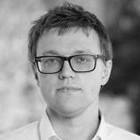
Mario Lanza
NUS, Singapore
Keynote – Plenary Session
Dr. Mario Lanza is an Associate Professor of Materials Science and Engineering at the National University of Singapore, since August 2024. He got the PhD in Electronic Engineering in 2010 at the Autonomous University of Barcelona, where he won the extraordinary PhD prize. In 2010-2011 he was NSFC postdoctoral fellow at Peking University, and in 2012-2013 he was Marie Curie postdoctoral fellow at Stanford University. On September 2013 he joined Soochow University (in China), where he promoted until the rank of Full Professor. Between October 2020 and July 2024 he was full-time Associate Professor at the King Abdullah University of Science and Technology (in Saudi Arabia), where he became known for his work in the field of nano-electronics. He has published over 200 research articles in top journals like Nature, Science and Nature Electronics, many of them becoming highly cited. He has been plenary, keynote, tutorial and invited speaker in over 150 conferences, and he and his students have received some of the most prestigious awards in the world (like the IEEE Fellow). He has been often consulted by leading semiconductor companies and publishers. He is an active member of the board governors of the IEEE – Electron Devices Society, and has been involved in the technical and management committee of top conferences in the field of electron devices, including IEDM, IRPS and IPFA. He speaks fluently five languages: English, Chinese, German, Spanish and Catalan.
|
|
|
|
|
 |
| WORKSHOP 1 |
|
|
| . |
|
|
Cyprian Lewandowski
Florida State University, USA
Invited – Workshop 1: Twistronics, Moiré Superlattices, Topological States, and Photonic Phenomena in 2DM
Dr. Cyprian Lewandowski is a condensed matter theorist at the Department of Physics at Florida State University, affiliated with the National High Magnetic Field Laboratory. Prior to joining FSU in 2022, he was a Gordon and Betty Moore Postdoctoral Scholar in theoretical physics at the California Institute of Technology and received his Ph.D. in Physics from the Massachusetts Institute of Technology. He is a recipient of the National Science Foundation CAREER Award (2026) for research on emergent electronic phenomena in quantum materials.
|
|
|
|
|
 |
| WORKSHOP 9 |
|
|
| . |
|
|
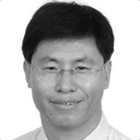
Junhao Lin
Sustech, China
Invited – Workshop 9: Advanced Characterization of 2DM and heterostructures
Dr. Junhao Lin obtained his PhD degree in Physics from Vanderbilt University, USA, in 2015. He conducted his postdoctoral work as a JSPS fellow at AIST, Tsukuba, Japan, from 2015-2018, under the supervision of Dr. Kazu Suenaga, focusing on 2D materials using advanced S/TEM characterizations. He joined the Department of Physics at Southern University of Science and Technology (SuSTech) in 2018 as a tenure-track associate professor and was promoted to tenured full professor in 2024. His main research directions include the analysis of complex defect structures in novel 2D materials, real-time in situ observation of the dynamical processes during the structural transition of materials under various environmental stimuli, and the development of 2D ferromagnetic and ferroelectric materials. He has published more than 190 journal papers, including first-/corresponding-author papers in Nature (3), Science (1), etc., with a total citation count of more than 19,000 and an H-index of 62 (GoS data).
|
|
|
|
|
 |
| INDUSTRIAL FORUM |
|
|
| . |
|
|
Zhongfan Liu
BGI / Peking University, China
Keynote - Industrial Forum
Zhongfan Liu completed his PhD from University of Tokyo in 1990 and postdoctoral study from the same university and Institute for Molecular Science (IMS), Japan. His current research interests include the CVD growth, mass production and equipment manufacturing, and unique applications of graphene. He is the founding Director of Beijing Graphene Institute (BGI) and a BOYA chair professor of Peking University. He is the member of Chinese Academy of Sciences and the fellow of TWAS.
|
|
|
|
|
 |
| WORKSHOP 7 |
|
|
| . |
|
|
Marcelo Lozada hidalgo
The University of Manchester, UK
Invited – Workshop 7: Energy and Environmental Applications
Marcelo Lozada-Hidalgo is a Royal Society University Research Fellow and Professor of Condensed Matter Physics at the University of Manchester. His research focuses on proton and ion transport in 2D materials and field effects at electrode–electrolyte interfaces for renewable energy and unconventional computing. His high-profile publications include over a dozen articles in the Nature/Science family as lead author, including recent breakthroughs on field-driven selective acceleration of electrochemical processes (Nature 2024) and nanoscale imaging of proton transport through graphene (Nature 2023). He holds an ERC Starting Grant (2022) and fellowships from the Royal Society, Leverhulme Trust, and University of Manchester, and has led projects with industry partners such as Atkins and the US Army.
|
|
|
|
|
 |
| WORKSHOP 6 |
|
|
| . |
|
|
Vincent Meunier
PennState University, USA
Invited – Workshop 6: Theory of 2D Materials and Devices Simulation
Vincent Meunier leads the Innovative Computational Material Physics (ICMP) group at PennState University where he performs research in low-dimensional materials and domains where he collaboratively works with engineers and experimentalists to optimize these materials, starting at the atomic level and targeting functionality. He has contributed to an array of computational materials science topics including electronic transport, vibrational properties, energy storage in supercapacitors, the physics of reduced dimensional materials such as carbon nanotubes and nanoribbons, and two-dimensional materials.
|
|
|
|
|
 |
| WORKSHOP 3 |
|
|
| . |
|
|
Paweł Piotr Michałowski
Łukasiewicz Research Network, Poland
Invited – Workshop 3: Emerging 2D Materials Beyond Graphene
Paweł Piotr Michałowski is a group leader at Łukasiewicz Research Network – Institute of Microelectronics and Photonics. His scientific interest has focused on secondary ion mass spectrometry (SIMS), and he is currently focusing on developing dedicated measurement procedures - tailored for specific samples – that allow reaching a subnanometer depth resolution and enable the characterization of 2D materials like graphene, hexagonal boron nitride, transition metal dichalcogenides, and MXenes. These procedures can also be applied to analyzing full structures of semiconductor devices like VCSEL, solar cells, or various transistors.
|
|
|
|
|
 |
| WORKSHOP 3 |
|
|
| . |
|
|
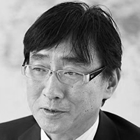
Alessandro Molle
CNR / IMM, Italy
Invited – Workshop 3: Emerging 2D Materials Beyond Graphene
Alessandro Molle is research director at the Institute of Microelectronics and Microsystems (IMM) at the National Council of Research in Italy (CNR) after being senior researcher and researcher since 2009. He earned the PhD degree in Materials Science and the MSc in Physics at the University of Genoa, Italy, in 2005 and 2001, respectively. He was Post-Doc fellow in the project “ET4US” within the FP6 of the European Commission (EC) and in a bilateral project CNR-IMEC. He served as unit chair in a FET-Open project within the EC-FP7. He was co-chair of a joint lab project CNR / University of Texas at Austin. He was recipient of a Consolidator-Grant in 2018, two Proof-of-Concept grants from the European Research Council (ERC). His current research is mainly concerned with synthesis and engineering 2D and nano- materials for electronics and photonics. He served as co-chair of the MRS 2024 Fall Meeting, Boston (USA), and as symposium organizer of several MRS and E-MRS meetings. He serves as co-chair of a biennial workshop at the Intnl School of Solid State Physics, E. Majorana Foundation. He is deputy editor of “Research” (AAAS Partner journal). He served as remote evaluator for the EC (ERC,EIC) and national funding programs in EU. He has been co-editor of two books for CRC press and Elsevier. He is the author of more than 130 publications in internationally peer-reviewed scientific. He is the recipient of more than 35 invitations in intnl conferences and workshops
|
|
|
|
|
 |
| INDUSTRIAL FORUM |
|
|
| . |
|
|
Kazuo Muramatsu
Incubation Alliance.Inc., Japan
Invited - Industrial Forum
Dr. Kazuo Muramatsu is the CEO of Incubation Alliance, Inc. (InALA), based in Kobe, Japan. He completed his studies in materials science at Toyohashi University of Technology in 1985. During his university years, he conducted research on graphite intercalation compounds and collaborated with Dr. Ralph Setton (CNRS), one of the pioneers of graphene.
He later joined Kobe Steel, Ltd., where he worked on the development of “new carbon” materials using Hot Isostatic Pressing (HIP) equipment, and contributed to the development and commercialization of graphene electrodes for hydrogen generators, carbon substrates for HDDs, and substrates for semiconductor processes.
In 2007, he founded InALA and has since been promoting the development of mass synthesis methods for graphene and the commercialization of Graphene Flower® products.
He earned a doctoral degree from Oita University in 2024. In 2025, he received the Technical Award from the Carbon Society of Japan and the Kondo Memorial Foundation Award from the Kondo Memorial Foundation
|
|
|
|
|
 |
| INDUSTRIAL FORUM |
|
|
| . |
|
|
Rahul Nair
National Graphene Institute, The University of Manchester, UK
Invited - Industrial Forum
Rahul R. Nair is a Carlsberg/Royal Academy of Engineering Research Chair and Professor of Materials Physics at the National Graphene Institute (NGI), and the Department of Chemical Engineering at the University of Manchester. His current research focuses on molecular transport through sub-nanometer two-dimensional (2D) capillaries and developing 2D materials-based membranes for sustainable separation technologies. He has published over 60 highly cited peer-reviewed research articles, including several in Science, Nature, and more than a dozen in the Nature series publications during the last twelve years. He has also received several prestigious awards, such as the Moseley Medal and Prize, ERC grant, the Philip Leverhulme Prize, Prince Sultan Bin Abdulaziz International Prize for Water, etc., for his innovative and groundbreaking research. He also has research partnerships with leading industries such as Carlsberg, the US Army, AstraZeneca, ICON Life Saver, etc.
|
|
|
|
|
 |
| INDUSTRIAL FORUM |
|
|
| . |
|
|
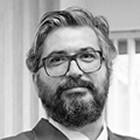
Matteo Negro
ESANanoTech, Italy
Invited - Industrial Forum
Matteo Negro began his career as a researcher in the field of laser technologies, later taking on executive roles in companies operating in the sector. He served as CEO and Chief Technology Officer of Cambridge Raman Imaging, leading a team focused on developing innovative technologies for medical, biotechnological, research, and industrial applications.
Prior to this, Matteo Negro was Head of Research and Development at Bios, where he managed the development of laser systems for medical and aesthetic applications. Previously, he worked as a researcher at the National Research Council (CNR) at the Institute of Photonics and Nanotechnologies.
Since September 2019, Matteo has been a member of the Advisory Board for the Engineering Physics program at Politecnico di Milano. He holds a degree in Engineering Physics with a specialization in Nanotechnologies and Photonics, and earned his Ph.D. in Physics with honors (cum laude) from Politecnico di Milano.
Since June 2025, Matteo Negro is the General Manager of ESA NanoTech, a start-up specialized in the sustainable production of graphene, part of the LMDV Capital group.
|
|
|
|
|
 |
| INDUSTRIAL FORUM |
|
|
| . |
|
|
Barbaros Ozyilmaz
NUS, Singapore
Invited - Industrial Forum
Professor Barbaros Özyilmaz works on device applications based on 2D materials, including graphene, black phosphorus, and monolayer amorphous carbon. He received his physics degree from RWTH Aachen University in 1999 and completed his PhD at New York University (1999–2004) under Andrew Kent, where he worked on spin-transfer torque in collaboration with IBM. After a postdoctoral period in Philip Kim’s group at Columbia University (2004–2007), he joined the National University of Singapore in 2007 and became full professor in 2013. He has held leadership roles at the Centre for Advanced 2D Materials and in NUS Materials Science and Engineering, which he headed from 2019 to 2024. Since 2024, he has been Co-Director of the Institute of Functional Intelligent Materials (I-FIM).
|
|
|
|
|
 |
| WORKSHOP 6 |
|
|
| . |
|
|
Juan José Palacios
Universidad Autónoma de Madrid, Spain
Invited – Workshop 6: Theory of 2D Materials and Devices Simulation
Juan José Palacios (Full Professor) has an extensive career as a Condensed Matter Physics theoretician spanning more than 3 decades, having worked on a wide variety of problems at different institutions such as the Canada Research Council, Indiana University, University of Kentucky, Universidad de Alicante, and the University of Texas at Austin as a Fulbright scholar. Since 2009 he works at the department of Condensed Matter Physics at Universidad Autónoma de Madrid. One could refer to his pioneering work in molecular electronics with one of the first implementations of non-equlibrium quantum transport from first principles. This resulted in a code which is freely distributed as Atomistic NanoTransport (ANT, https://github.com/juanjosepalacios/ANT.Gaussian) by SIMUNE Atomistics (https://www.simuneatomistics.com/), the first company in Spain that offers computational services for material science related industrial needs, co-founded by him. Over the past ten years, his research in molecular electronics has actively continued with novel studies of chirality induced spin selectivity, but has extended to other fields such as graphene and two-dimensional crystals and, more recently, topological materials and altermagnets. His most recent works include studies of the linear and nonlinear optical response of 2D materials, which are based on a newly developed computational platform (XATU, https://github.com/xatu-code). He appears in the Standord list of the 2% most influential scientists worldwide.
|
|
|
|
|
 |
| INDUSTRIAL FORUM |
|
|
| . |
|
|
Tomas Palacios
MIT, USA
Keynote - Industrial Forum
Tomas Palacios is the Clarence J. LeBel Professor of Electrical Engineering and the director of the Microsystems Technology Laboratories (MTL) at MIT. He received his PhD from the University of California - Santa Barbara in 2006, and his undergraduate degree in Telecommunication Engineering from the Polytechnic University of Madrid, Spain, in 2001. His current research focuses on demonstrating new electronic devices and applications based on transition metal dichalcochegenides and gallium nitride. His work has been recognized with the Presidential Early Career Award for Scientists and Engineers, the 2012, 2019 and 2024 IEEE EDS George Smith Award, and the NSF, ONR, and DARPA Young Faculty Awards, among others. Prof. Palacios is the co-founder of several semiconductor companies, including Finwave Semiconductor, Vertical Semiconductor, and CDimension Inc. He is a Fellow of IEEE.
|
|
|
|
|
 |
| WORKSHOP 2 |
|
|
| . |
|
|
Vincenzo Palermo
CNR-ISOF, Italy
Invited – Workshop 2: Chemistry & Functionalization of 2D Materials
Vincenzo Palermo is a research director of the CNR Institute for Organic Synthesis and Photoreactivity (ISOF) in Bologna, Italy, and associated professor of Chalmers University of Technology (Sweden). He uses nanotechnology and supramolecular chemistry to create new materials for electronics, aerospace and biomedical applications. He published >220 scientific articles on international journals in chemistry, nanotechnology and materials science (>13 000 citations, h-index 57), collaborating with key industrial partners in Europe (Airbus, FCA, Leonardo, BASF, Nokia, STMicroelectronics etc.). He coordinated several EU projects in the past, including being vice-director and member of the executive board of the Graphene Flagship, one of the largest research projects ever launched in Europe. He has been awarded the Lecturer Award for Excellence of the Federation of European Materials Societies (FEMS), the Research Award of the Italian Society of Chemistry (SCI) and the Science dissemination awards of the Italian Book Association. He writes as a columnist for the science magazine SAPERE and has published two books on the life and science of Albert Einstein (Hoepli, Milano, 2015) and of Isaac Newton (Hoepli, Milano, 2016).
|
|
|
|
|
 |
| WORKSHOP 1 |
|
|
| . |
|
|
Pierre Anthony Pantaleon
Imdea Nanociencia, Spain
Invited – Workshop 1: Twistronics, Moiré Superlattices, Topological States, and Photonic Phenomena in 2DM
He obtained his Bachelor of Science in Physics (2007) and Master of Science in Nanoscience and Nanotechnology (2010) from the Universidad Autónoma de Baja California, Mexico. During his master's studies, he focused on electronic transport in quantum nanowires with embedded impurities. He earned his PhD in Physics (2019) from the School of Physics and Astronomy at The University of Manchester, United Kingdom, where he investigated the electronic and transport properties of ferromagnetic spin lattices.
In 2019, he joined the Theoretical Modelling Group at IMDEA Nanoscience in Madrid, Spain. Since then, he has actively explored the electronic, topological, and superconducting properties of twisted and non-twisted graphene heterostructures. Currently, he is a tenure-track member of the Theory Group, leading research on the impact of artificial superlattices on correlated phenomena and superconductivity in graphene-based and other two-dimensional materials.
|
|
|
|
|
 |
| INDUSTRIAL FORUM |
|
|
| . |
|
|
Andrew Pollard
NPL, UK
Invited - Industrial Forum
Andrew Pollard leads NPL’s research into the structural and chemical characterisation of graphene and related 2D materials, with a focus on enabling industrial commercialisation in this area. This metrology research has allowed the development of several international standards addressing the measurement of 2D materials, either published or in progress within the ISO 'Nanotechnologies' Technical Committee (TC229). Andrew is a Visiting Lecturer at the University of Manchester, the co-chair of the VAMAS Technical Working Area 'TWA 41: Graphene and Related 2D Materials', Metrologist-in-Residence at the Henry Royce Institute, the Chair of the 'Materials and Characterisation' Group at the Institute of Physics (IOP) and the recipient of the Royal Society of Chemistry's '2018 Rising Star in Industry Award'.
|
|
|
|
|
 |
| INVITED |
|
|
| . |
|
|
Eric Pop
Stanford University, USA
Invited – Plenary Session
Eric Pop is the Pease-Ye Professor of Electrical Engineering and, by courtesy, of Applied Physics and Materials Science & Engineering at Stanford and SLAC, where he also co-leads the SystemX Alliance. He received his PhD from Stanford and earlier degrees from MIT. His research interests include nanoelectronics, data storage, and energy. Before Stanford, he spent several years on the faculty of UIUC, and in industry at Intel and IBM. He is an APS and IEEE Fellow, a Clarivate Highly Cited Researcher, a recipient of the Intel Outstanding Researcher Award and of the Presidential Early-Career Award. In his spare time he enjoys snowboarding and tennis, and in a past life he was a college radio DJ at KZSU 90.1
|
|
|
|
|
 |
| WORKSHOP 7 |
|
|
| . |
|
|
Ana Maria Primo Arnau
UPV-CSIC, Spain
Invited – Workshop 7: Energy and Environmental Applications
|
|
|
|
|
 |
| INDUSTRIAL FORUM |
|
|
| . |
|
|
Arne Quellmalz
In2great Materials AB, Sweden
Invited - Industrial Forum
Arne Quellmalz is the co-founder and CEO of the Swedish start-up In2great Materials AB. In2great Materials develops integration technologies that bring atomically thin (2D) materials into conventional semiconductor manufacturing. Its foundry-ready technology is compatible with back-end-of-line processes, enabling 2D-material-based sensors and photonic components and supporting a scalable route to next-generation electronics and photonics. Arne earned a Ph.D. in Electrical Engineering from the KTH Royal Institute of Technology, Sweden, where his research focused on photonic microsystems and 2D material integration.
|
|
|
|
|
 |
| WORKSHOP 6 |
|
|
| . |
|
|
Tatiana G. Rappoport
Universidade Federal do Rio de Janeiro , Brazil
Invited – Workshop 6: Theory of 2D Materials and Devices Simulation
|
|
|
|
|
 |
| INVITED |
|
|
| . |
|
|
Wencai Ren
Institute of Metal Research, Chinese Academy of Sciences, China
Invited – Plenary Session
Dr. Wencai Ren is a professor in materials science at the Institute of Metal Research, Chinese Academy of Sciences. His research focuses on the synthesis of graphene and other 2D materials, as well as their applications in optoelectronics, energy storage, thermal management, and membrane technology. He has published over 250 peer-refereed papers, which have been cited more than 50,000 times, and holds over 120 granted patents. Prof. Ren is a co-founder of 2 graphene-based companies. He has received many prestigious awards, including three National Natural Science Awards of China. He currently serves as the Editor-in-Chief of IOP 2D Materials
|
|
|
|
|
 |
| INVITED |
|
|
| . |
|
|
Rebeca Ribeiro-Palau
Université Paris-Saclay, France
Invited – Plenary Session
Dr. Rebeca Ribeiro-Palau is an experimental condensed matter physicist working at the Centre de Nanosciences et de Nanotechnologies (C2N), France. She received her BSc from the University of Carabobo (Venezuela) and her MSc from the Venezuelan Institute for Scientific Research (IVIC), working on non-centrosymmetric superconductors. She obtained her PhD from Université Paul Sabatier in Toulouse, conducting research at the French National High Magnetic Field Laboratory on graphene nanoribbons under extreme conditions. She later held postdoctoral positions at the Laboratoire National de Métrologie et d’Essais (LNE) and at Columbia University as an MRSEC fellow. Her research focuses on van der Waals heterostructures, combining nanofabrication and quantum transport measurements to study and control topological electronic states.
|
|
|
|
|
 |
| WORKSHOP 10 |
|
|
| . |
|
|
Pascal Ruffieux
Empa, Switzerland
Invited – Workshop 10: Nanographenes: Design, Synthesis, and Functional Properties
Pascal Ruffieux received his PhD in 2002 at the University of Fribourg (Switzerland) and joined the Laboratories for Materials Science and Technology (Empa) in 2003. As Group Leader of the Carbon Nanomaterials Group he leads research on the bottom-up synthesis and atomic-scale characterization of atomically precise carbon-based nanostructures. He exploits advanced on-surface synthesis and scanning probe microscopy to create and investigate designer carbon nanomaterials, in particular graphene nanoribbons (GNRs) with engineered edge topologies and chiral structures, as well as nanographene-based quantum spin systems with an emphasis on engineered spin chains and correlated open-shell nanographenes. Advanced scanning probe microscopy and spectroscopy provide direct access to the electronic and magnetic properties of individual spins and spin chains, enabling the investigation of emergent quantum behavior in chemically defined low-dimensional systems. The overarching goal is to establish chemically precise carbon nanostructures as versatile and controllable platforms for fundamental studies of quantum spin physics on surfaces.
|
|
|
|
|
 |
| WORKSHOP 10 |
|
|
| . |
|
|
Ana Sánchez Grande
UMC, Spain
Invited – Workshop 10: Nanographenes: Design, Synthesis, and Functional Properties
Ana Sánchez-Grande holds a MSc in chemistry from Universidad Complutense de Madrid (UCM). In 2020, she completed her PhD studies at Imdea Nanoscience, mainly focused on the design and characterization of 1D π-conjugated polymers on surfaces. Then, she joined the Nanosurf lab group led by Pavel Jelínek at the Institute of Physics of the Czech Academy of Sciences (FZU) as postdoctoral researcher, where her main research interest was dedicated to on-surface photochemistry. Currently, she works at the Organic Chemistry Department from the Faculty of Chemical Sciences at UCM as a Talent Attraction Research Associate
|
|
|
|
|
 |
| INVITED |
|
|
| . |
|
|
Leslie M. Schoop
Princeton University, USA
Invited – Plenary Session
Dr. Schoop received her Diploma in Chemistry from Johannes Gutenberg University (2010) and PhD in Chemistry from Princeton University (2015). She then went on to work as a Minerva fast-track fellow under Professor Bettina Lotsch at the Max Planck Institute for Solid State Research (2015-2017). Dr. Schoop joined the Princeton University Department of Chemistry Faculty in 2017, was tenured in 2022 and promoted to full professor in 2024. Since 2024 she directs the Princeton Center for Complex Materials, an NSF-funded MRSEC. In 2019 she won the Beckman Young Investigator Award and became a Moore foundation EPiQS Materials Synthesis Investigator. In 2020 she was awarded the Packard fellowship for science and engineering and in 2021 the Sloan fellowship in Chemistry and the DOD Office of Naval Research Young Investigator award. In 2022 she was awarded the NSF CAREER award and in 2025 the Presidential Early Career Award for Scientists and Engineers (PECASE). The Schoop Lab is working at the interface of chemistry and physics, using chemical principles to find new materials with exotic physical properties
|
|
|
|
|
 |
| WORKSHOP 1 |
|
|
| . |
|
|
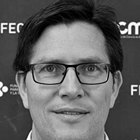
Tobias Stauber
CSIC, Spain
Invited – Workshop 1: Twistronics, Moiré Superlattices, Topological States, and Photonic Phenomena in 2DM
Tobias Stauber is a Senior Researcher of CSIC, specializing in condensed matter theory with a specific focus on 2D materials. Since earning his PhD in 2002, he has been working on Dirac systems from the very beginning, making several predictions in the field of opto-electronics, nanophotonics, and plasmonics. With the advent of moiré systems, he pioneered the plasmonic and chiral real-space response in twisted bilayer graphene. With the discovery of superconductivity in these systems, he presented the first theory on the Kohn-Luttinger mechanism and also on the strange metal behavior.
|
|
|
|
|
 |
| INDUSTRIAL FORUM |
|
|
| . |
|
|
Valdirene Teixeira
Sullas Nanotech Ltda, Brazil
Invited - Industrial Forum
|
|
|
|
|
 |
| INVITED |
|
|
| . |
|
|
Mauricio Terrones
The Pennsylvania State University, USA
Invited – Plenary Session
He obtained his B.Sc. degree in Engineering Physics with first class honors at Universidad Iberoamericana. He then received his D.Phil. degree from University of Sussex in 1998 under the supercision of Harold W. Kroto. He is co-authored more than 650 publications in international journals and counts with more than 88,000 citations. Some of his accomplishments include: 1) Fellow of APS, AAAS, TWAS and RSC; 2) Highly Cited Researcher (WoS; 2017-present); 3) The Jubilee Professorship at Chalmers University of Technology (Sweden; 2016), 4) UNESCO-Javed Huasain Prize for Young Scientists and Albert Einstein Medal (France, 2001), etc. He is Evan Pugh University Professor and the George A. and Margaret M. Downsbrough Department Head (Department of Physics, Penn State). He is also the Founder Director of the Center for 2-Dimensional and Layered Materials at Penn State, and the NSF-IUCRC Center for Atomically Thin Multifunctional Coatings (ATOMIC). He is also the Editor-in-Chief of the journal Carbon (IF=10.9).
|
|
|
|
|
 |
| WORKSHOP 5 |
|
|
| . |
|
|
Ester Vázquez Fernández-Pacheco
UCLM, Spain
Invited – Workshop 5: 2D Materials for Sensing, Biomedical Devices, and Healthcare Solutions
Ester Vázquez is Professor of Organic Chemistry at the University of Castilla-La Mancha and Director of the Regional Institute for Applied Scientific Research (IRICA) where she leads a highly interdisciplinary group (MSOC Nanochemistry group). Her research focuses on the synthesis and functionalisation of nanostructures using sustainable methodologies and their use for the preparation of smart gels with applications in drug delivery, tissue engineering and soft robotics. Her research has been recognized with different awards such as the "Ibn Wafid de Toledo" Prize in 2007, the 2022 Research and Innovation in Sciences Prize from the Regional Government of Castilla-La Mancha and the award for Research Excellence from the Green Chemistry group of the RSEQ in 2025.
|
|
|
|
|
 |
| KEYNOTE |
|
|
| . |
|
|
Lourdes F. Vega
Khalifa University, UAE
Keynote – Plenary Session
Dr. Lourdes F. Vega is Full Professor of Chemical Engineering, Senior Director of the Energy Institute at Khalifa University (UAE), and founder and former director of the Research and Innovation Center on CO₂ and Hydrogen (RICH). She has developed an international career spanning academia and industry in the United States, Spain, and the UAE.
An expert in nanotechnology, clean energy, and sustainable technologies, she is recognized for translating fundamental science into industrial solutions. Her work focuses on CO₂ capture and utilization, hydrogen and derivatives, sustainable fuels, and advanced cooling systems, integrating multiscale modeling, experiments, and AI-driven materials discovery to accelerate industrial deployment. Her contributions have received international recognition, including Global 50 Women in Hydrogen (2025), V60: 60 Impactful Women Driving Sustainability in the Middle East (2024), and the Mohammed Bin Rashid Medal of Scientific Distinction (2020). She is a Fellow of the American Institute of Chemical Engineers, a member of the Spanish Royal Academy of Sciences and serves on multiple academic and industrial boards.
|
|
|
|
|
 |
| WORKSHOP 2 |
|
|
| . |
|
|
Aravind Vijayaraghavan
The University of Manchester, UK
Invited – Workshop 2: Chemistry & Functionalization of 2D Materials
Aravind Vijayaraghavan is Professor of Nanomaterials at The University of Manchester, where he leads the Nanofunctional Materials Group. His research focuses on the development of novel applications of 2-dimensional materials and the underpinning science. He has published over 100 papers in international journals, filed 7 patents and established 2 spin-out companies, Grafine Ltd and Atomic Mechanics Ltd. He is also the faculty Head of Business Engagement in Advanced Manufacturing.
|
|
|
|
|
 |
| INVITED |
|
|
| . |
|
|
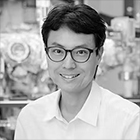
Hyunsoo Yang
NUS, Singapore
Invited – Plenary Session
Hyunsoo Yang is a Professor in the Department of Electrical and Computer Engineering, National University of Singapore (NUS), working on various magnetic materials and devices for spintronics applications. He worked at C&S technology and Intelligent Fiber Optic Systems, California. He received his Doctorate from Stanford University. From 2004-2007, he was at IBM Almaden Research Center. He has authored more than 270 journal articles, given 200 invited presentations, and 20 patents. He was a recipient of the Outstanding Dissertation Award from the American Physical Society (GMAG), IEEE Magnetics Society Distinguished Lecturer, Minister of Science ICT award, Mid-Career Award of the IEEE Magnetics Society, AAIA Fellow, IEEE Fellow, and APS Fellow
|
|
|
|
|
 |
| WORKSHOP 3 |
|
|
| . |
|
|
Shuo-Ying Yang
Southern University of Science and Technology, China
Invited – Workshop 3: Emerging 2D Materials Beyond Graphene
Shuoying Yang received her Bachelor’s degree from Bryn Mawr College in 2014 and her Master’s degree from Columbia University in 2016. In 2020, she obtained her Ph.D. in condensed matter physics from the Max Planck Institute of Microstructure Physics in Germany. Subsequently, she moved to Spain and conducted postdoctoral research at ICFO and ICN2. Since November 2023, she has joined the Department of Physics at the Southern University of Science and Technology as an assistant professor. Her current interests involve around topological quantum states of matter, magnetism, unconventional superconductivity, and the interactions among them. By utilizing various forms of van der Waals materials, stacking order, and novel designs, her group engineers and probes exotic quantum states of matter by low-temperature quantum transport techniques, driven by both their fundamental scientific interests and potential for advanced electronics applications
|
|
|
|
|
 |
| WORKSHOP 1 |
|
|
| . |
|
|
Wei Yang
Institute of Physics / CAS, China
Invited – Workshop 1: Twistronics, Moiré Superlattices, Topological States, and Photonic Phenomena in 2DM
Dr. Wei Yang is an associate professor at the Institute of Physics, Chinese Academy of Sciences (IOP-CAS) in Beijing, China. He received his Ph.D in condensed matter physics from IOP-CAS in 2014, working on a graphene-hBN superlattice. He worked as a postdoc from 2014 to 2019, first at École Normale Supérieure and CNRS in Paris on high-frequency noise thermometry, then at ICOF-The Institute of Photonic Sciences in Barcelona on quantum transport and nano-mechanics of carbon nanotube. He joined the IOP-CAS as a faculty member in 2019. Currently, he mainly focuses on exploring strongly correlated phases and quantum phase transitions in moiré superlattices.
|
|
|
|
|
 |
| WORKSHOP 9 |
|
|
| . |
|
|
Hyobin Yoo
Seoul National University, South Korea
Invited – Workshop 9: Advanced Characterization of 2DM and heterostructures
Hyobin Yoo is an Assistant Professor in the Department of Materials Science and Engineering at Seoul National University, which he joined in 2024. His research actively combines advanced TEM techniques with semiconductor device technology to develop operando TEM platforms for probing structure–function relationships in real time. He has also been conducting extensive studies on two-dimensional moiré materials, exploring their unique structural and electronic phenomena. Prior to his current position, he was an Assistant/Associate Professor in the Department of Physics at Sogang University (2020–2024) and a Postdoctoral Fellow/Research Associate in the Department of Physics at Harvard University (2016–2020). He received his B.S. (2010) and Ph.D. (2016) in Materials Science and Engineering from Seoul National University.
|
|
|
|
|
 |
| INDUSTRIAL FORUM |
|
|
| . |
|
|
Amaia Zurutuza
Graphenea, Spain
Invited - Industrial Forum
She obtained her PhD in polymer chemistry from the University of Strathclyde (UK) and after a postdoctoral fellowship, she moved to industry and joined Ferring Pharmaceuticals (UK) where she worked as a senior polymer scientist for 6 years in the R&D of new drug delivery systems. Her contribution led to the granting of three patents in novel biodegradable and biostable polymers for controlling drug delivery. In 2010, she became the chief scientific officer (CSO) of Graphenea (Spain). At Graphenea, she leads the R&D activities on graphene-based materials that include applications in electronics/photonics and medical diagnostics. Since joining Graphenea, she has so far filed for sixteen patents and published more than 100 publications in peer reviewed journals, including Nature and Science. She has served as Principal Investigator in 38 EU FP7/H2020/HE funded research projects, including the Graphene Flagship, the 2D-Experimental Pilot Line and the follow-up project the 2D-Pilot Line. In the Graphene Flagship (10 year project), she was a member of the executive board (EB) and world package (WP) leader in the wafer scale integration WP. Currently, she is member of the EB of the new industrial association on innovative advanced materials (IAM-I) that will manage the newly created partnership by the EC in 2025, IAM4EU.
|
|
|
|
|
| |